We use ivermectin pour on for lice also. My papaw always swore by letting cattle getting rained on and that getting rid of lice. Whether or not that actually works, I have no idea.
Maybe
@greybeard can weigh in...
I've never heard of the rain thing, but if it were true, no cattle anywhere in E Texas would have lice for very long and to be honest, I don't see how it would work. The eggs (nits) are pretty firmly attached to the hairs very close to the skin. Even once the eggs hatch, the egg casing/shell stays attached to the hair for some time, but as each hair grows in length, it only appears that the eggs were laid farther up the hair. It's almost impossible to kill lice by drowning too.
As far as the dermatitis looking scaly stuff, it was a pretty severe infestation. Each louse pierced the skin...thousands, maybe millions. Each piercing results in a little scab once the louse moves on, dies of falls off. Scabs fall loose as the skin heals and what you are seeing now is probably dead skin cells bunches from the many scabs as well as dead lice and empty/dead egg casings.
You do want to pay attention to any excessive hair loss. They can get a form of mange during and after a bad infestation. The calf's hair coat should slick off smooth and shiny as the skin repairs itself and it begins to lose any winter hair coat. A rough hair coat in spring/summer/early fall is indicative of internal and/or external parasites.
Make sure the animal (as always) has free access to a good mineral supplement.
56 days between treatment and re-treatment is the outside limit imo. It does appear the species was Bovicola bovis/
Damalinia bovis and it's life cycle is about 40 days. So, for this species, 56 days is about right and of course always follow directions on the product--assuming of course,that only one species of louse was involved.
Why is lice infestation rarely seen in summer?
Lice stay warm during cold winter months by staying close to it's host skin, but in summer, a cow standing out in the sun will see it's skin temp increase a lot and lice can't take heat very well. Not much over 100deg F is lethal for most lice and a cow's skin, especially it's back and sides will get much hotter than that on a summer day standing in the sun. But, lice will move to cooler skin areas of the animal..underneath and behind ears, legs and bellylines. You will want to check those areas as well in the coming days as the ambient temps warm up.


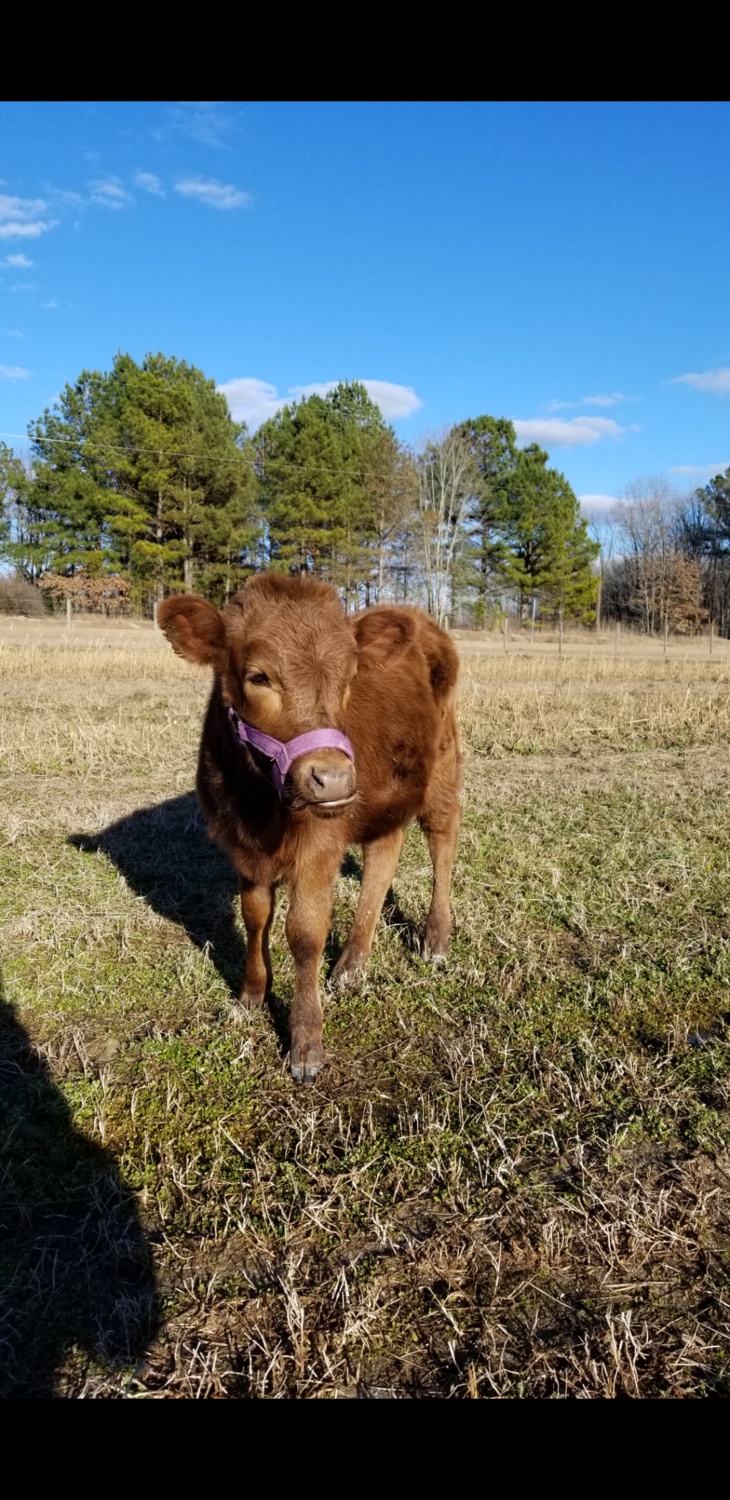
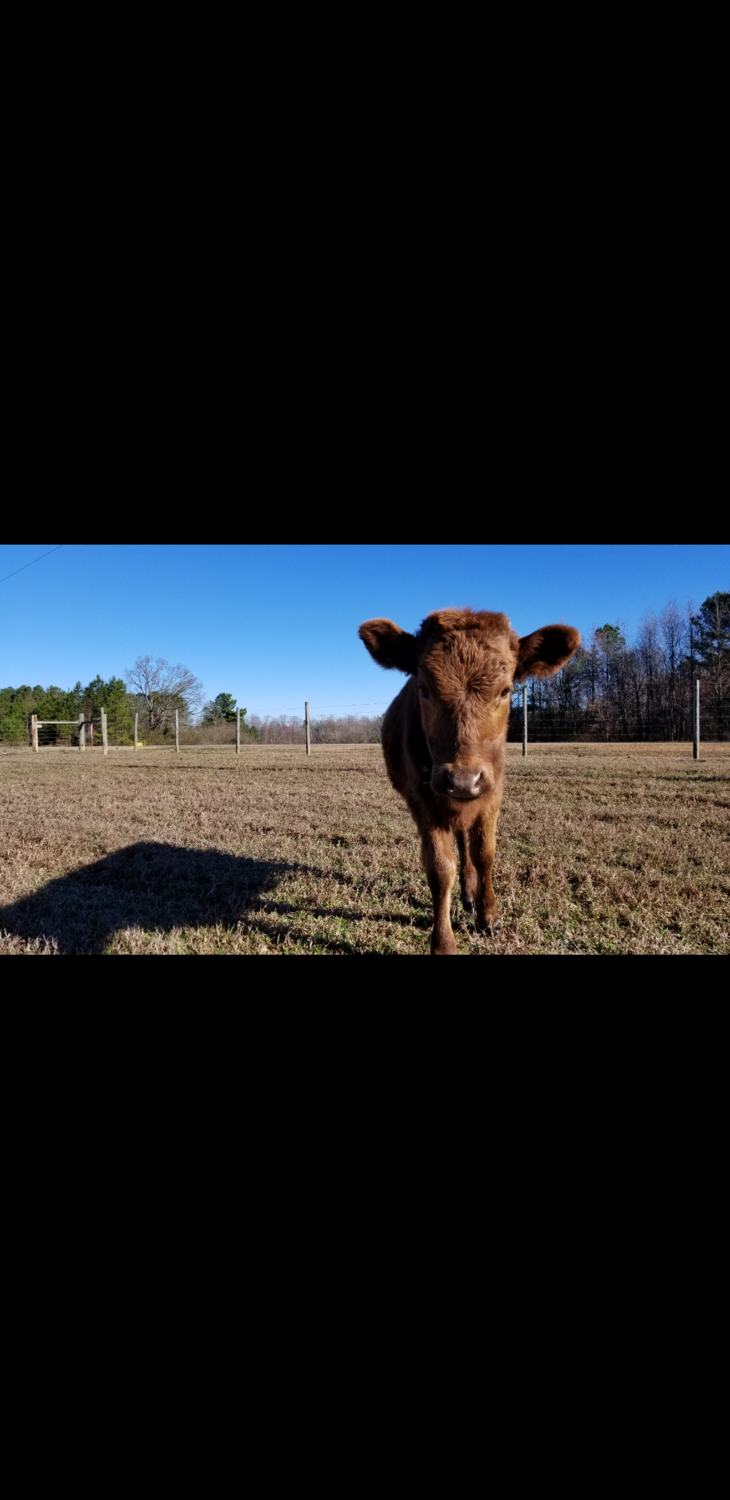


 Sounds like I need to just let it run its course for a bit and see if it will work itself out.


